How TrueBlueMD Supports Chronic Care Between Visits
Here’s what patients and care teams can expect from enrollment through ongoing monitoring.
-
01. Identify & Enroll Patients
Your practice identifies eligible patients, and TrueBlueMD explains the program, answers questions, and helps them enroll.
-
02. Select & Ship the Device
TrueBlueMD matches a validated cellular device to the measurements your practice wants to track and ships it preconfigured.
-
03. Help Patients Get Started
Patients receive guided setup support for their first reading and help troubleshooting cellular connectivity without Wi‑Fi or apps.
-
04. Collect Readings at Home
The connected device automatically transmits routine home readings to the monitoring platform over its built-in cellular connection.
-
05. Review & Follow Up
TrueBlueMD’s clinical team reviews incoming readings and contacts patients when follow-up or adherence coaching is needed.
-
06. Escalate Concerns
TrueBlueMD sends readings that need provider attention to your practice under its agreed escalation protocols.
-
07. Document Program Activity
TrueBlueMD documents monitoring activity and patient interactions to support your practice’s monthly billing workflow.
Connected Devices Built for Everyday Use
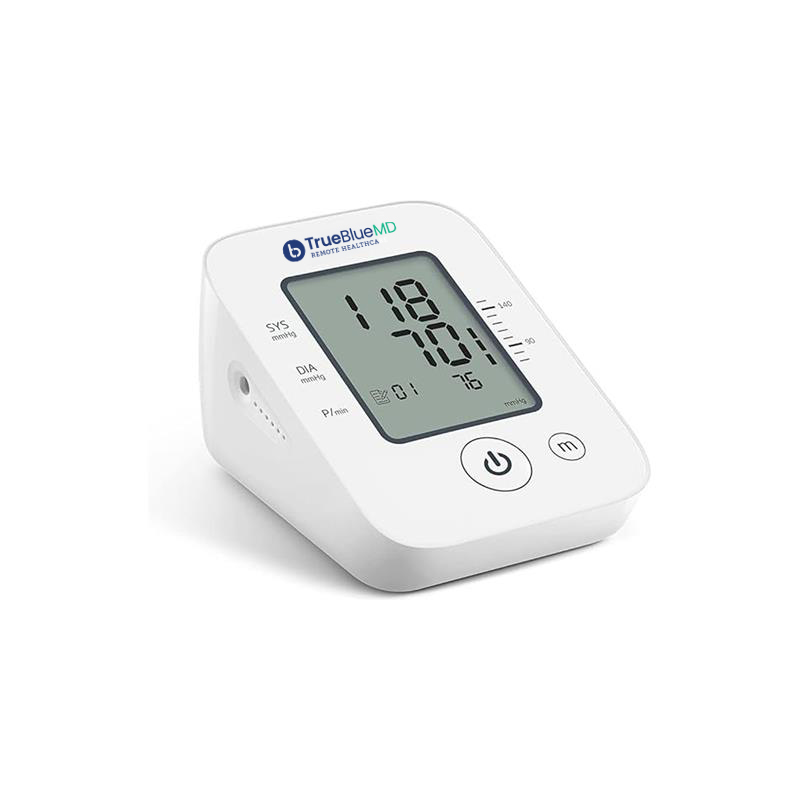
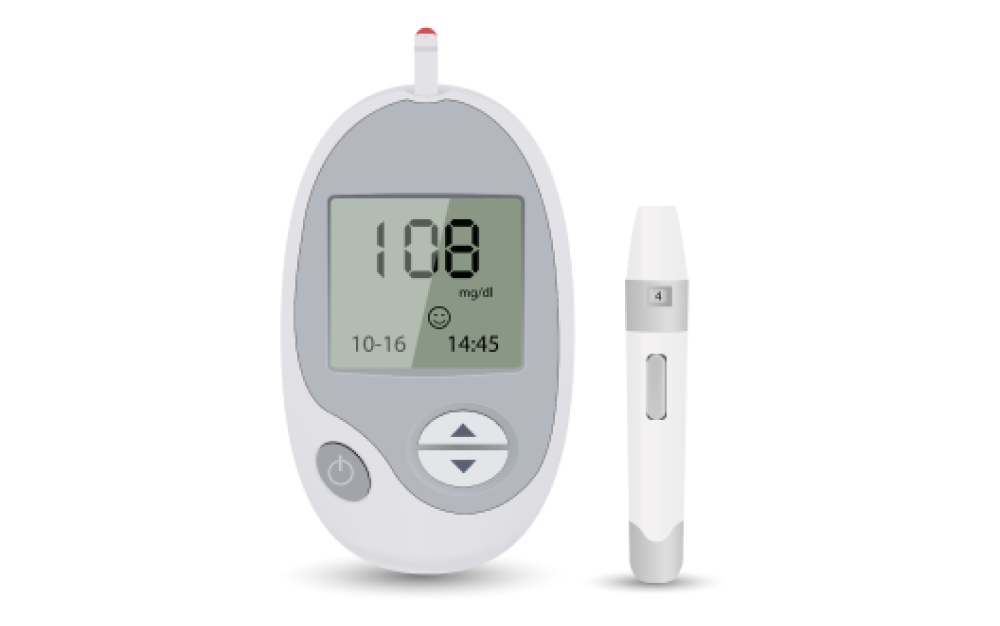
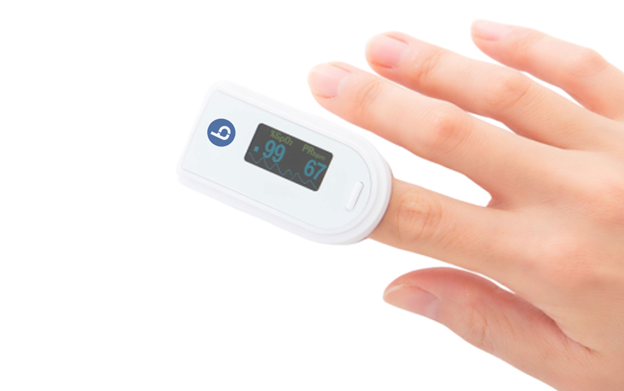
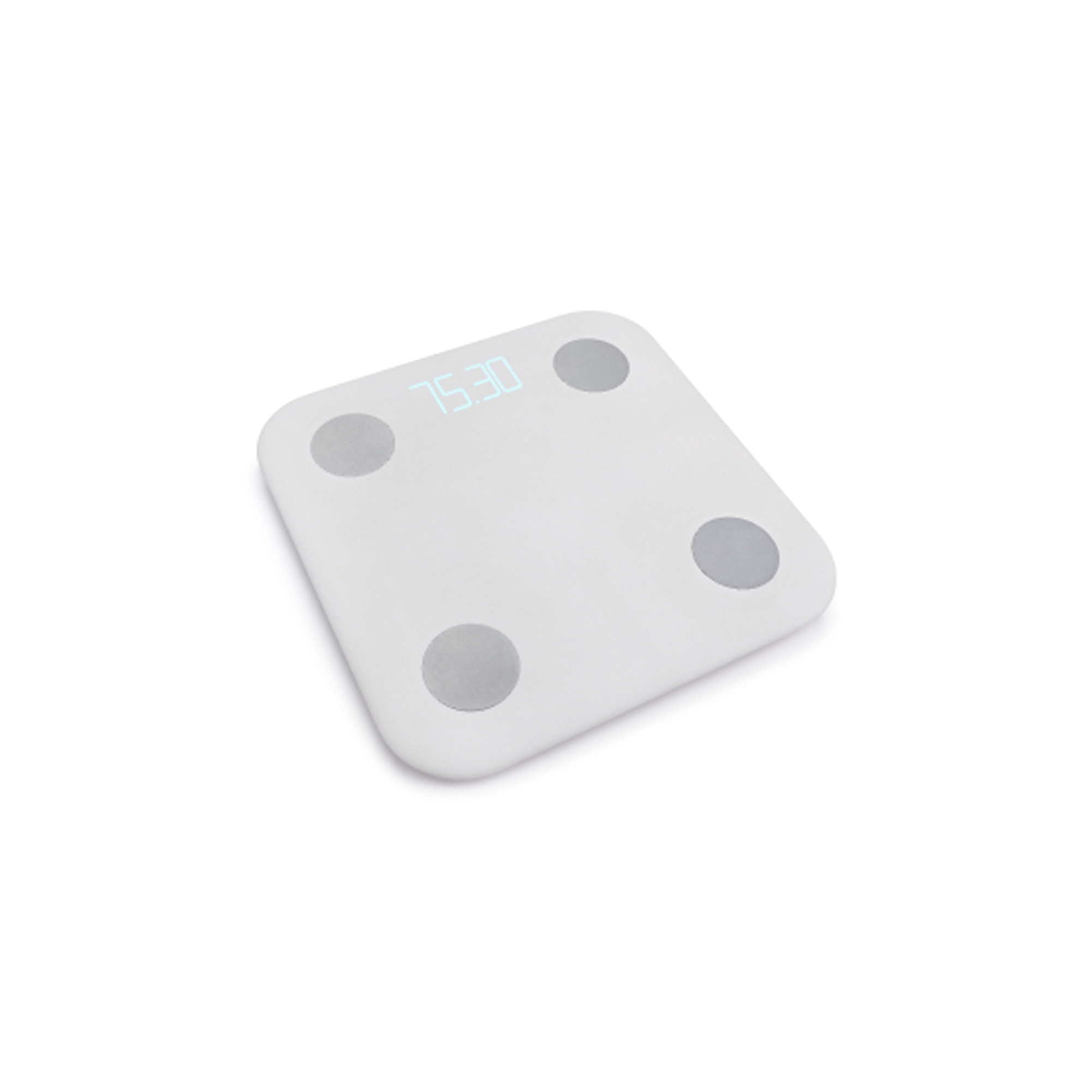
Devices arrive preconfigured for home use, so patients can focus on taking their measurements.
Glucometer
Pulse Oximeter
Body Scale
From Reading to Clinical Action
When a home reading triggers an alert, TrueBlueMD reviews it and involves the practice when a clinical decision is needed.
-
Patient Reading
The patient measures a vital sign at home.
-
Automatic Data Transfer
The connected device sends the reading to the platform.
-
Threshold Alert
A reading outside the monitoring parameters can trigger an alert.
-
Clinical Review
The clinical team reviews the flagged reading in context and contacts the patient when appropriate.
-
Provider Escalation
TrueBlueMD sends concerns that need a provider’s decision to the practice.
-
Documented Follow-Up
The team records the outreach and escalation. The provider determines the next clinical step.
Your Team and TrueBlueMD, Working Together
TrueBlueMD works alongside your practice and follows your escalation protocols, as seen in the Primary Care Medicine RPM success story. Agree on roles before enrollment so each team knows who owns the next step.
What TrueBlueMD Handles
- Enrollment outreach and onboarding for patients the practice identifies.
- Device delivery, setup guidance, and troubleshooting.
- Reading review, patient outreach, and escalation under the practice’s protocols.
- Documentation to support the billing workflow.
[TrueBlueMD] made remote patient monitoring simple, effective, and easy for both our staff and patients.
What Your Practice Handles
- Identify patients for RPM and determine what to monitor.
- Agree on escalation protocols and designate who receives alerts.
- Make clinical decisions and direct care when concerns are escalated.
- Confirm who handles billing during setup.
Designed for Your Practice and Patients
See how readings taken at home can support care between visits, across care teams, and after discharge without adding internal staffing overhead.
Independent and Primary Care Practices
Add regular home vital-sign readings to chronic condition follow-up between office visits while TrueBlueMD handles patient onboarding, device support, and initial reading triage.
Group Practices and Accountable Care Organizations
Standardize remote monitoring across multi-provider clinics and participating care teams with shared escalation protocols, consistent patient outreach, and unified activity reporting.
Hospitals and Health Systems
Extend structured monitoring to patients after discharge or specialty visits when at-home vital-sign tracking is part of their ongoing recovery and chronic care plan.
Patients Who Need Regular Home Measurements
Common uses include blood pressure tracking for hypertension, glucose monitoring for diabetes, oxygen saturation monitoring for COPD, and weight tracking for heart failure or weight management. The treating provider determines whether RPM fits the patient’s care plan.
How Primary Care Medicine Stays Connected Between Visits
400 patients enrolled · $16K monthly billable RPM revenue
Bringing Home Readings into Follow-Up Care
A 7-provider internal medicine practice in Lake City, Florida uses TrueBlueMD’s end-to-end RPM program across blood pressure, glucose, pulse oximetry, and weight monitoring—escalating around 10 actionable alerts a month to spot concerning trends earlier.
400
Patients Enrolled
$16K
Monthly Billable Revenue
~10 / mo
Provider Alerts Escalated
Understand RPM Reimbursement Structure
TrueBlueMD pairs connected devices with a monitoring platform that documents readings and patient interactions for your billing workflow. Before submitting claims, verify the applicable codes, eligibility criteria, and documentation requirements with the payer.
Remote Patient Monitoring by the Numbers
- 33%33%Lower Hospital Readmissions
- 76%76%Fewer Hospital Admissions Related to Heart Failure (CHF)
- 64%64%Fewer Hospital Readmissions Among Patients with Diabetes
- 55%55%Improvement in Medication Adherence
- 99%99%Compliance with HIPAA Security Standards

Estimate Annual Program Revenue
Set the number of RPM patients to model annual gross revenue. If your practice also offers CCM, use the separate slider to see its contribution.
RPM per patient
$1,765.31per yearCCM per patient
$1,398.84per yearThe calculator assumes $1,765.31 per RPM patient per year and $1,398.84 per CCM patient per year. It shows gross revenue before program costs. Actual payment depends on payer policies, eligibility, documented services, and patient participation.
Remote Patient Monitoring FAQs
How do we decide which patients to enroll?
Start with patients whose care plans call for regular home measurements. Your practice determines clinical suitability and checks any applicable payer requirements.
Do patients need Wi‑Fi or a smartphone?
Patients need cellular coverage where they take readings. The devices use their own cellular connection, so patients can use them without home Wi‑Fi, a smartphone, or an app.
What happens if a patient has trouble using a device?
TrueBlueMD helps patients set up their devices and troubleshoots connectivity or device issues. The team can coordinate a replacement when needed.
What happens if a patient records a concerning reading?
TrueBlueMD reviews flagged readings and follows your practice’s escalation process. Your providers determine whether the patient needs an assessment or a change to the care plan.
What does TrueBlueMD provide for RPM billing?
TrueBlueMD documents monitoring and patient interactions to support billing. Confirm who submits claims and which payer rules apply before launch.
Can our practice offer RPM and CCM together?
TrueBlueMD supports both programs. Review each patient’s eligibility and the applicable payer requirements before enrolling or billing for either service.
Contact Us
Have questions or want to learn more? Reach out to our team, and we will get back to you shortly